


Assistive technology for disabilities is more than innovation; for many people it is genuine empowerment, independence, and dignity. Assistive technology is reshaping how individuals interact with the world, offering independence, dignity, and equal opportunities. From smart hearing aids to AI-powered communication devices, accessibility is no longer a secondary feature; it is becoming a central pillar of inclusive design.
Understanding Assistive Technology

Devices, software and systems that aid disabled people are assistive technology for disabilities. From a hearing aid to a robotic exoskeleton, it can be that simple. The goal is not just to compensate for impairments but to enable independence, dignity, and participation in everyday life.
Key categories of assistive technology for disabilities include
- Mobility aids: wheelchairs, prosthetics, and exoskeletons.
- Communication tools: speech-generating devices, text-to-speech software.
- Sensory support: hearing aids, cochlear implants, braille displays.
- Digital accessibility tools: screen readers, voice recognition software, adaptive keyboards.
By integrating these solutions into daily routines, individuals can overcome barriers that once seemed insurmountable.
The Rise of Smart Accessibility
Traditional assistive technology for disabilities was often limited in scope, but modern innovations are increasingly “smart.” Powered by artificial intelligence, machine learning, and the Internet of Things (IoT), assistive technology now adapts to user needs in real time.
Examples of smart accessibility include:
- AI-driven screen readers interpret complex web layouts more accurately.
- Smart hearing aids filter background noise and adjust automatically in different environments.
- Wearable exoskeletons help individuals with mobility impairments walk independently.
- Voice-controlled smart homes allow users to control lights, appliances, and security systems hands-free.
Assistive Technology in Education

Education is one of the most powerful areas where assistive technology for disabilities is making an impact. Students with visual, auditory, or cognitive disabilities often face barriers in traditional classrooms. Smart accessibility tools are helping bridge these gaps:
- Screen readers and braille displays allow access to digital textbooks.
- Speech-to-text software supports students with hearing impairments.
- Adaptive learning platforms personalise content for students with cognitive challenges.
- Virtual Reality(VR) offers immersive learning, enabling students to explore otherwise inaccessible environments.
By integrating assistive technology into classrooms, schools are fostering inclusive education where every student can thrive.
Assistive Technology in the Workplace
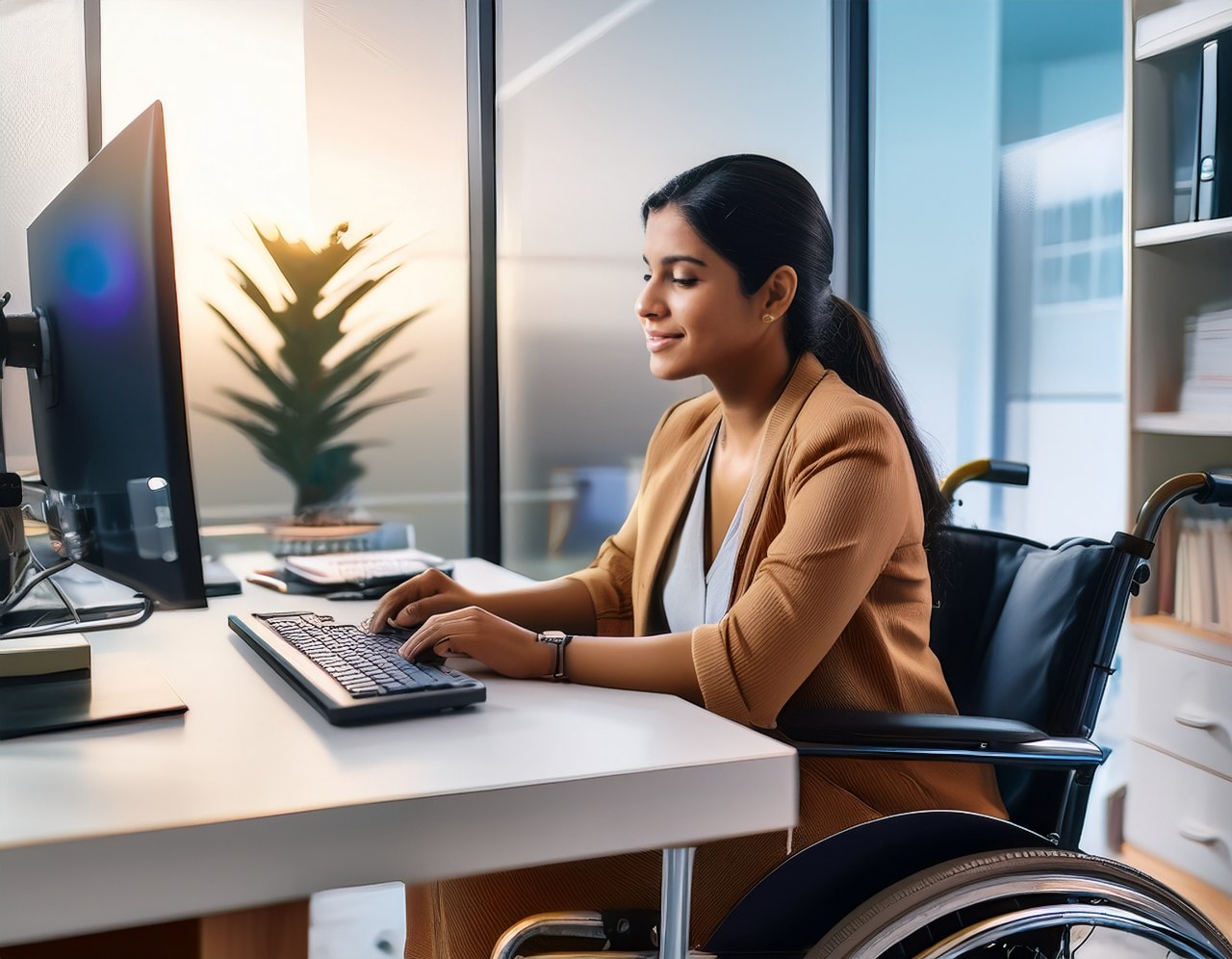
Employment opportunities for people with disabilities have historically been limited because of accessibility challenges. However, assistive technology for disabilities is changing this narrative.
- Accessible software platforms ensure that digital tools are usable by all employees.
- Voice recognition systems allow individuals with mobility impairments to operate computers hands-free.
- Remote collaboration tools with built-in accessibility features enable inclusive teamwork.
- AI-powered recruitment platforms are helping reduce bias in hiring processes.
Healthcare and Assistive Technology
Healthcare is another domain where assistive technology for disabilities is revolutionizing support. From rehabilitation to daily care, smart devices are improving outcomes and quality of life.
- Robotic prosthetics provide natural movement and sensory feedback.
- Telehealth platforms with accessibility features connect patients to doctors remotely.
- Smart medication dispensers help individuals with cognitive impairments manage prescriptions.
- Wearable health devices monitor vital signs and notify caregivers during emergencies.
Challenges in Adoption
Despite the progress, several challenges remain in the widespread adoption of assistive technology for disabilities:
- Cost barriers: Advanced devices like exoskeletons or smart prosthetics are often expensive.
- Awareness gaps: Many individuals and organisations are unaware of solutions.
- Digital divide: Access to the internet and smart devices is still limited in rural or low-income areas.
- Standardisation issues: Lack of universal design standards can make devices incompatible with mainstream platforms.
Addressing these challenges requires collaboration between governments, tech companies, educators, and healthcare providers.
The Future of Assistive Technology
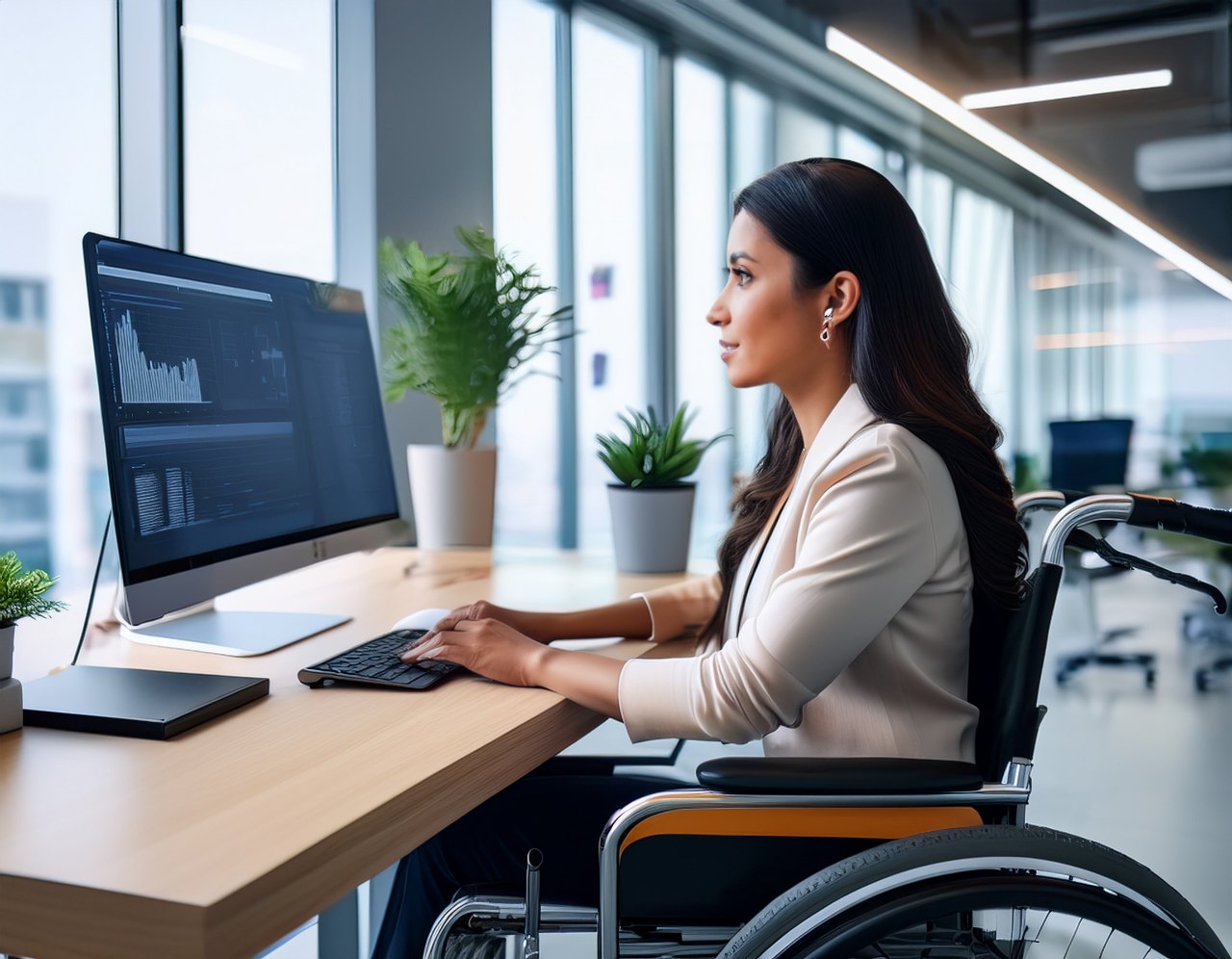
The future of assistive technology for disabilities lies in personalisation and integration. Devices will increasingly adapt to individual needs, learning from user behaviour and preferences. Emerging trends include:
- AI-powered personalisation: tools that learn and strengthen with the user.
- Brain-computer interfaces (BCIs): Allowing direct communication between the brain and devices.
- Augmented reality (AR): enhancing navigation and communication for people with sensory impairments.
- Universal design principles: ensuring that mainstream products are accessible by default.
Why Smart Accessibility Matters?
Smart accessibility ensures that people with disabilities are fully included in the digital age.
- Promoting Independence
Smart wheelchairs, voice-controlled systems, and wearable devices empower individuals to manage daily life without constant caregiver support. - Enabling Equal Participation
Accessibility is a right. Screen readers, adaptive software, and inclusive platforms open doors to education, employment, and social engagement. - Driving Innovation Beyond Disability
Many mainstream tools—voice assistants, predictive text, touch-free interfaces—originated as assistive technologies, proving inclusive design benefits everyone. - Reducing Social Barriers
By showcasing talents and skills, assistive technology shifts perceptions from limitation to ability, making technology a tool of empowerment rather than dependency.
The Role of Assistive Technology in Supporting Communication for Those with Disabilities
Communication is central to human connection, yet many people with disabilities encounter barriers in expressing themselves or accessing information. Assistive technology for disabilities helps break these barriers, ensuring communication is inclusive and effective.
- Speech and Language Support
Speech-generating devices and text-to-speech software provide a voice for individuals with speech impairments, enabling participation in conversations, presentations, and daily interactions. - Hearing Accessibility
Beyond traditional hearing aids and cochlear implants, modern smart devices filter background noise, connect to smartphones, and even translate speech in real time, making communication clearer in diverse settings. - Visual Accessibility
Screen readers and braille displays allow people with visual impairments to access digital content. Braille keyboards further support independent writing and sharing of messages. - Alternative and Augmentative Communication (AAC)
AAC tools, such as communication boards, symbol-based apps, and eye-tracking systems, empower individuals to express complex thoughts when speech alone is not possible. - Digital Platforms with Built-In Accessibility
Mainstream platforms increasingly integrate features like live captions, voice notes, and alt-text, ensuring inclusive communication across digital spaces.
Assistive technology for disabilities: frequently asked questions
What counts as assistive technology for disabilities?
Any device, software or system that helps a person with a disability do something they could not otherwise do, or do it more safely and independently: wheelchairs and prosthetics, hearing aids and cochlear implants, screen readers and magnifiers, speech-generating devices, switches, eye trackers and smart-home controls.
Which assistive technology for disabilities is used on the web?
Screen readers such as JAWS, NVDA, VoiceOver and TalkBack, screen magnifiers, voice control, alternative keyboards and switch access, and braille displays. They all depend on websites being coded to WCAG standards, which is why testing with them matters.
Is assistive technology for disabilities expensive?
It ranges from free to very costly. Screen readers, magnifiers and voice control are now built into phones and computers at no charge, while exoskeletons, smart prosthetics and some braille displays cost thousands. Cost and lack of awareness remain the two biggest barriers to adoption.
How does assistive technology for disabilities help in India?
India’s Rights of Persons with Disabilities Act 2016 and the Accessible India Campaign push public services to work with assistive technology, and low-cost devices and mobile apps are widening access. Accessible government websites under the GIGW guidelines are part of the same effort.
How can a business support assistive technology for disabilities?
Make sure your website, apps and documents work with screen readers, keyboards and voice control, and test them with real users. Our web accessibility case study shows what that testing looks like on a live project.
✅ Conclusion
Assistive technology for disabilities is reshaping support, creating opportunities for education, workplaces, healthcare, and daily living. Smart accessibility solutions are breaking barriers, and companies like Ananyoo support that work by making websites and apps usable with every kind of assistive technology, demonstrating that accessibility is a right, not a privilege. As technology grows, it ensures equal participation, dignity, and empowerment for people of all abilities.
Learn more at ananyoo.com.
Leave a Reply