

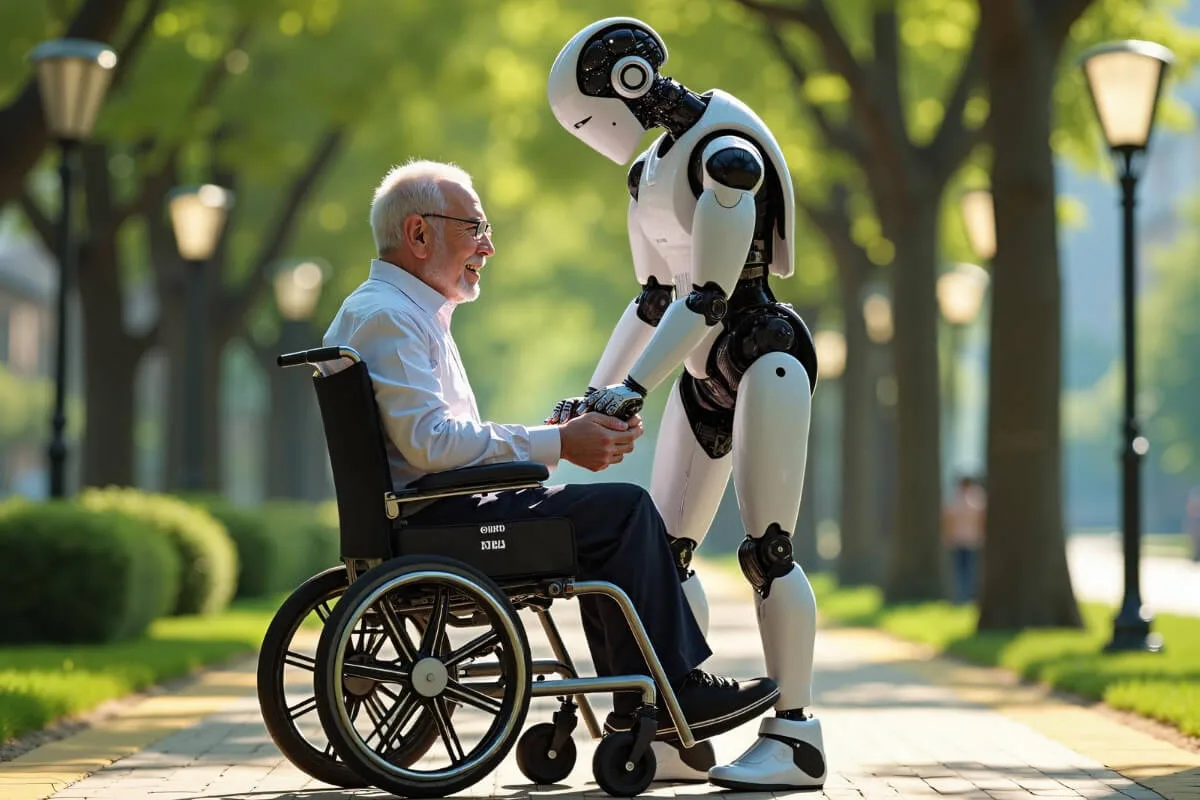
Artificial intelligence is reshaping the digital world, and AI for people with disabilities is one of its most meaningful contributions. As organisations strive to deliver inclusive digital experiences, the importance of AI in accessibility remediation has grown, ensuring that websites, documents, apps, and platforms remain usable for everyone-including people with disabilities. At the forefront of this transformation, the top companies in AI accessibility are showing how machine learning, automation, and intelligent design can break down barriers and foster a more equitable digital ecosystem.
This rapid evolution is not simply a technological shift; it reflects a cultural and ethical commitment to inclusion. Traditional accessibility practices-such as tagging PDFs, adding alt text, fixing keyboard navigation, or meeting WCAG standards-were often slow, manual, and costly. Now, intelligent remediation tools accelerate these processes with impressive accuracy, helping organisations achieve compliance while enhancing real-world usability. As innovators continue to advance, they demonstrate that accessibility is no longer an afterthought but a fundamental requirement of modern digital experiences.
A New Era of Intelligent Inclusion
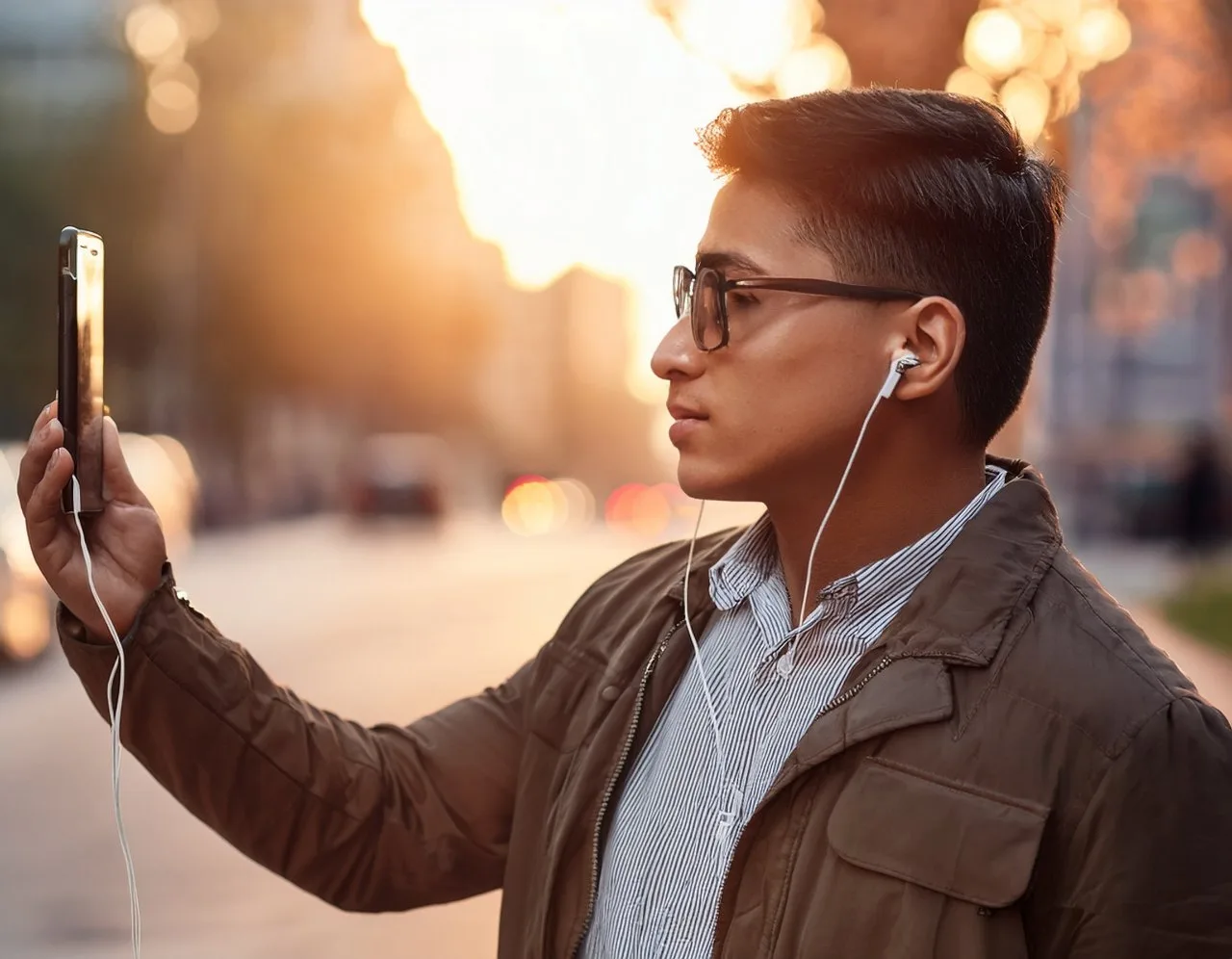
AI for people with disabilities is revolutionizing accessibility in unprecedented ways. From real-time captioning to automated document remediation, AI-powered tools are enabling people with disabilities to interact with digital content more independently and confidently. This shift is especially significant for individuals with visual, auditory, cognitive, and mobility impairments, who often face the steepest barriers online.
Using NLP and computer vision to interpret and describe content is the most impactful advance in AI for people with disabilities so far. AI can now generate meaningful alt text for images, identify reading order in complex documents, and detect accessibility issues across entire websites. These capabilities dramatically reduce the time required to make content accessible, allowing organizations to scale their efforts without compromising quality.
How AI for people with disabilities works across digital platforms
1. Automated Document Remediation
PDFs, Word files, and PowerPoint presentations are notorious for accessibility challenges. AI tools can now:
- Detect headings, lists, tables, and reading order
- Tag elements automatically
- Suggest alt text for images
- Identify color contrast issues
- Flag missing metadata
This automation ensures that documents meet WCAG and PDF/UA standards while reducing manual labor.
2. Real-Time Assistive Technologies

AI-powered assistive tools are becoming essential for daily life, and this is where AI for people with disabilities is most visible:
- Speech-to-text for people with hearing impairments
- Text-to-speech for individuals with visual or cognitive disabilities
- Predictive text and grammar support for neurodivergent users
- Voice-controlled interfaces for people with mobility limitations
These technologies empower users to navigate digital spaces with greater independence.
3. Website Accessibility Scanning and Fixing
AI-driven accessibility platforms can scan thousands of web pages in minutes, identifying issues such as
- Missing ARIA labels
- Improper heading structure
- Keyboard traps
- Non-descriptive links
- Inaccessible forms
Some systems even apply automated fixes, reducing the burden on developers.
4. Using AI to customize user experiences

AI can adapt interfaces based on user needs:
- Enlarged text for low-vision users
- Simplified layouts for cognitive accessibility
- High-contrast modes
- Customizable navigation patterns
This personalization shows AI for people with disabilities at its best: experiences that are not only compliant but genuinely usable.
Leading Innovators: Top Companies in AI Accessibility
The global push for inclusion has inspired a wave of innovation. The top companies in AI accessibility are setting new standards by combining automation with human expertise. While each company approaches accessibility differently, they share a common mission: to make digital content universally accessible.
Some of the most influential players include:
- Microsoft
A pioneer in inclusive technology, Microsoft integrates accessibility features across Windows, Office, and Azure. Tools like Seeing AI, Immersive Reader, and AI-powered captions demonstrate the company’s commitment to inclusive design. - Google
Google’s AI initiatives support accessibility through products like Live Transcribe, Lookout, and TalkBack. Their machine learning models improve the way people with visual and hearing impairments experience the world. - Adobe
Adobe Sensei AI enhances PDF accessibility by detecting structure, tagging elements, and suggesting alt text. This is especially valuable for enterprises managing large volumes of documents. - IBM
IBM’s accessibility research focuses on AI-driven compliance testing, cognitive accessibility, and enterprise-level remediation solutions. - ChatGPT
ChatGPT has emerged as a powerful tool for accessibility by enabling natural language interaction, simplifying complex information, and assisting with real-time communication. For individuals with cognitive or learning disabilities, ChatGPT can rephrase, summarize, or adapt content into more accessible formats. It also supports inclusive customer service by providing conversational interfaces that are easier to navigate than traditional menus or forms. - Specialized Accessibility Platforms
A growing number of companies focus exclusively on AI-powered accessibility remediation, offering automated scanning, fixing, and compliance reporting. These platforms help organizations achieve WCAG, ADA, and Section 508 compliance at scale.
The Human-AI Partnership: Why It Matters

While AI for people with disabilities is powerful, accessibility still requires human judgment. Automated tools can detect patterns, generate suggestions, and accelerate workflows, but human experts ensure accuracy, context, and empathy. The future of accessibility lies in this partnership:
- AI handles repetitive tasks like tagging, scanning, and detecting issues.
- Humans provide oversight, ensuring that content is meaningful, accurate, and user-friendly.
This collaboration allows organizations to deliver high-quality accessible content faster and more affordably.
The Future of AI in Accessibility
As AI for people with disabilities continues to develop, its impact on accessibility will only grow. We can expect:
- More accurate image descriptions
- Smarter document remediation
- Real-time accessibility monitoring
- Personalised user interfaces
- AI-driven compliance dashboards
- Enhanced support for cognitive accessibility
The next decade will redefine what it means to create inclusive digital experiences. Accessibility will shift from reactive compliance to proactive design, powered by intelligent systems that anticipate user needs.
AI for people with disabilities: frequently asked questions
What are the best examples of AI for people with disabilities today?
Live captioning and transcription for deaf users, image and scene description apps such as Seeing AI and Lookout for blind users, voice control for people with limited mobility, and reading and writing support for people with dyslexia or cognitive disabilities. Most of these now come built into phones and computers, which is why AI for people with disabilities reaches so many users.
Can AI make a website accessible automatically?
Not fully. AI scanners catch roughly a third of WCAG failures and can draft alt text or fix simple markup, but keyboard traps, meaningful focus order, form logic and content clarity still need a human. Overlay widgets that promise instant compliance are regularly named in lawsuits for that reason; AI for people with disabilities works best as an assistant, not a replacement.
Is AI for people with disabilities reliable for alt text?
It is a good first draft. AI describes what is in a picture, but it does not know why the picture is on the page. A person should edit the description so it carries the meaning the author intended, especially for charts, product photos and images of text.
How does AI for people with disabilities help with documents?
Tools such as Adobe’s Sensei can detect headings, tables and reading order in PDFs and tag them automatically, which turns hours of manual remediation into minutes. The output still needs checking with a screen reader before it is published.
How should an organisation use AI for people with disabilities responsibly?
Use AI to speed up detection and drafting, keep experts in the loop for judgment, test with real assistive technology, and involve users with disabilities in design. Our web accessibility case study shows how automation and manual testing fit together on a real project.
Conclusion: A More Inclusive Digital World
Digital accessibility, increasingly powered by AI for people with disabilities, has become a defining marker of modern, customer-centric organisations. Today, businesses have the opportunity to create experiences that are not only compliant but genuinely welcoming to every user. Ananyoo.com supports this mission by delivering accessibility solutions that blend precision, innovation, and a deep understanding of user needs. Their approach helps clients transform complex requirements into seamless, inclusive digital journeys. By prioritising accessibility as a strategic investment, organisations strengthen their brand reputation, expand their audience reach, and demonstrate a meaningful commitment to fairness, usability, and long-term digital excellence.
Learn more at ananyoo.com.
