

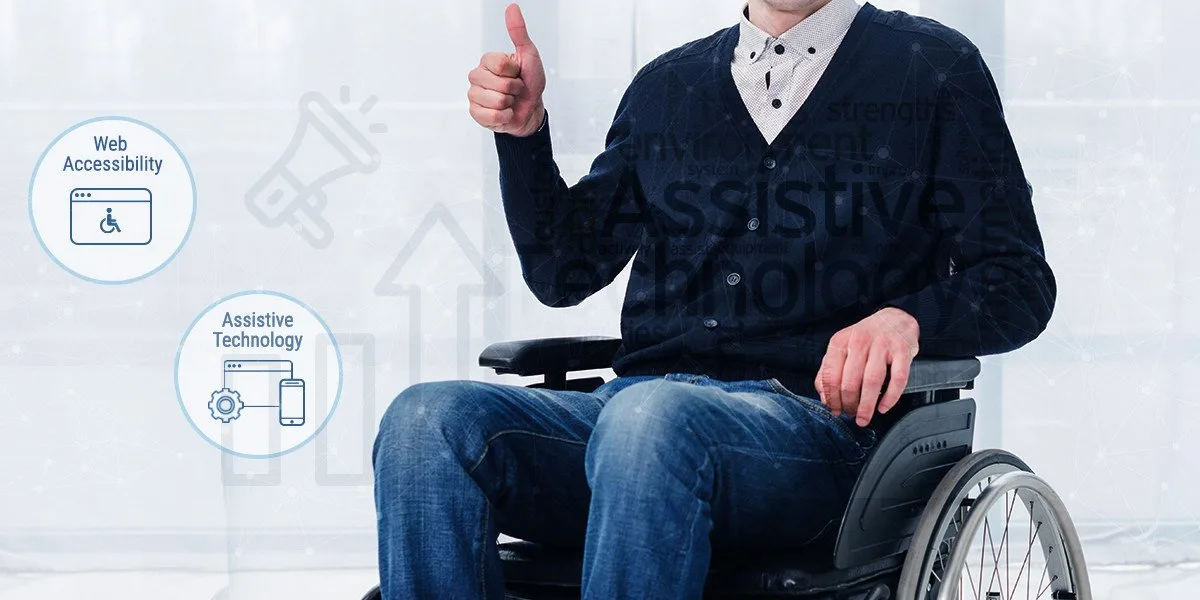
The assistive technology market is vast: according to the World Health Organization (WHO), more than one billion people already need one or more assistive products. Furthermore, with the ageing global population and growth in non-communicable diseases, close to two billion people will require at least one assistive product by 2050, not to forget several older people might even need two or more.
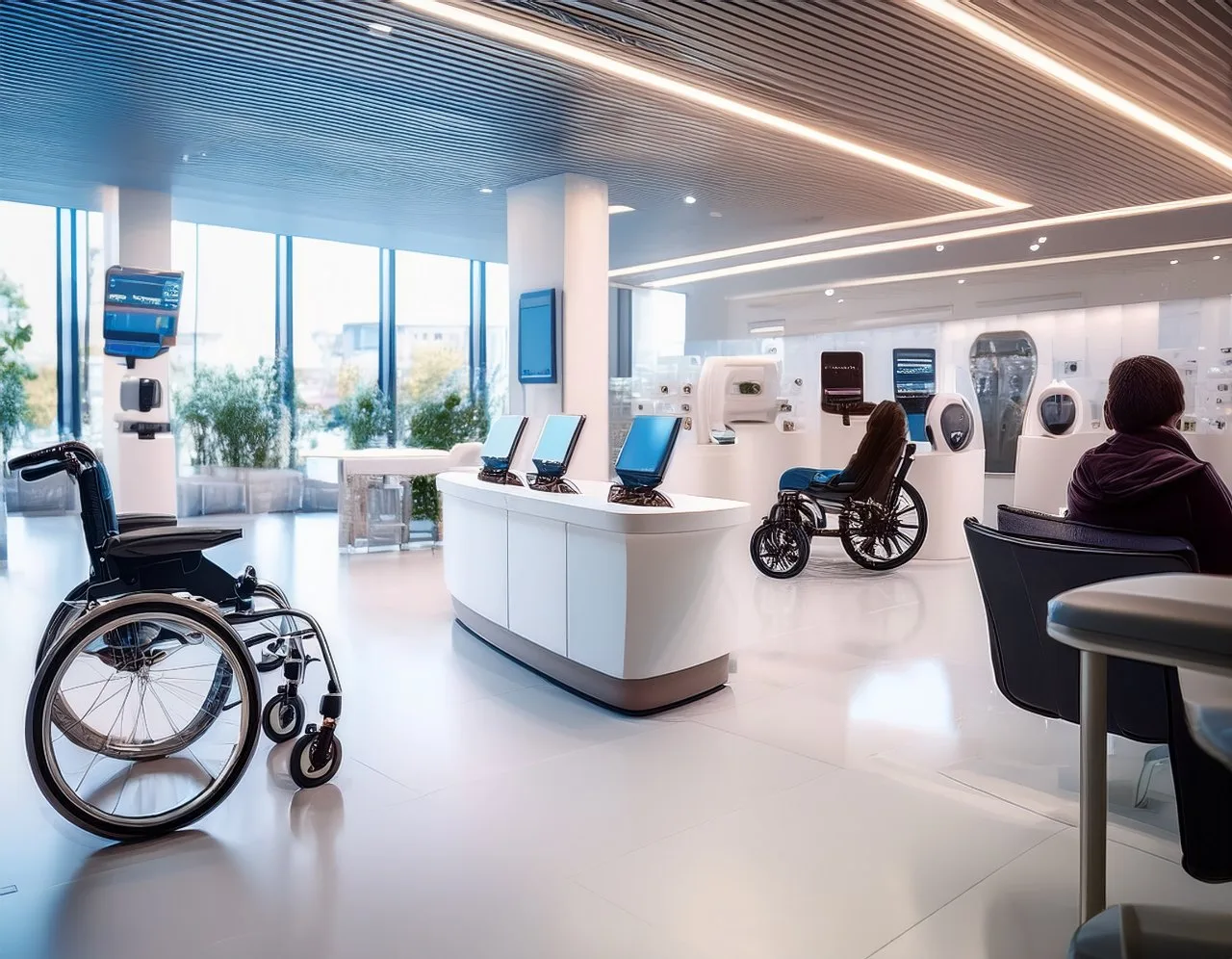
Besides, an estimated 285 million people are visually impaired globally. Around 70 million people need a wheelchair to move, and some 360 million people have moderate to severe hearing loss worldwide. The rates of disability are growing due to ageing populations and the rise in chronic health conditions that results in the need for medical assistive technologies' adoption rate.
Coherent Market Insights, a market research company, made projections that the global assistive technology market will attain $26 billion by 2024. It almost doubled from $14 billion in 2015. Zion Market Research shares an even more optimistic trajectory about the industry and estimates that it will be $31 billion in 2024 with an annual growth rate of 7.4 percent.
Regardless of the exact figure, analysts agree that the assistive technology market will snowball in the next several years. What’s behind this rise, and what’s in store for the assistive technology market soon? Let's find out.
About Assistive Technology
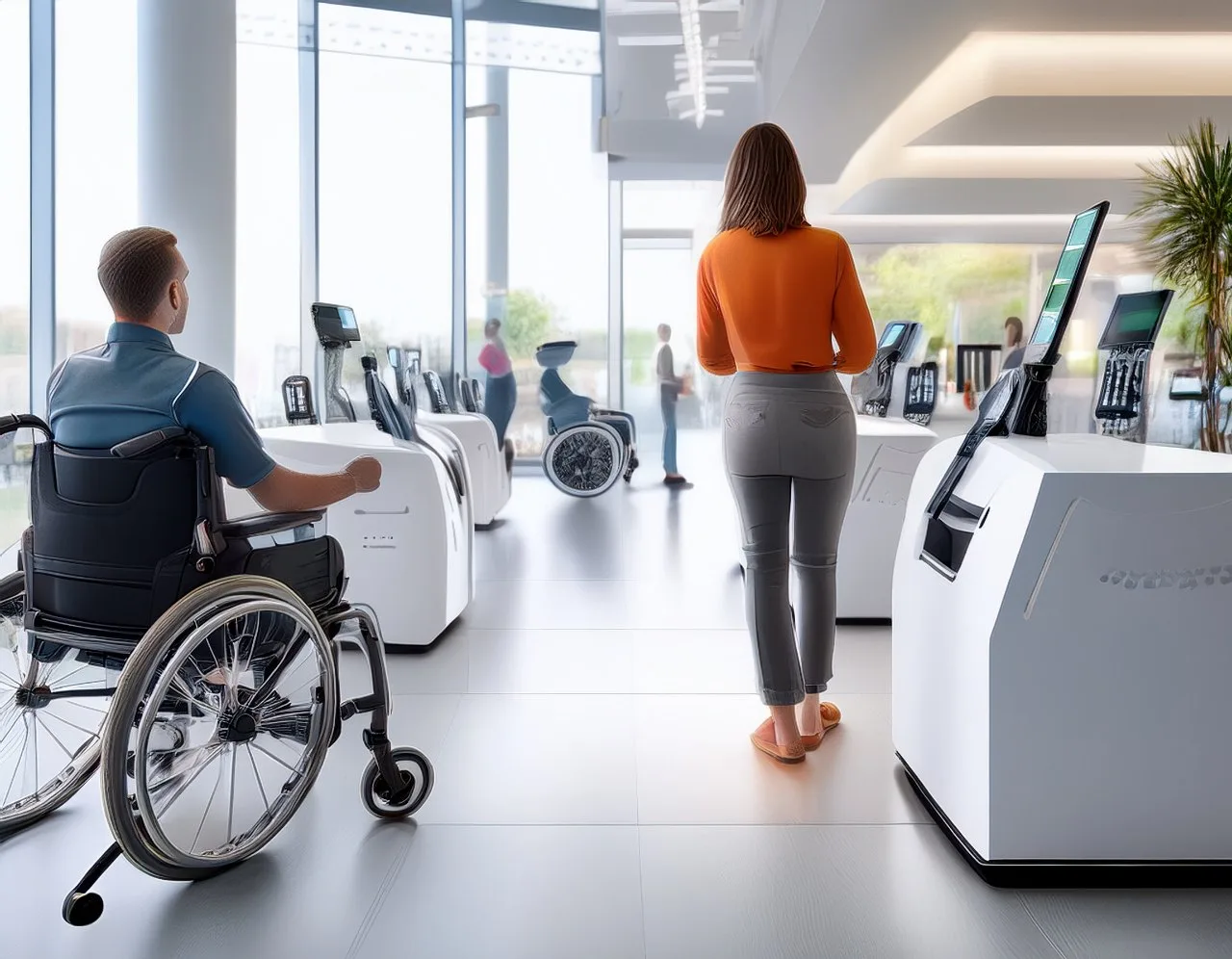
Assistive technology is a device or a method that is used for (or by) people with limitations to improve or maintain their functional capabilities. A disability or limitation can be explained as a mental or physical condition. It includes activity, impairment, and participation restrictions. Different disabilities expect different assistive technologies, as the need and comfort of people vary vastly. Assistive technology encompasses numerous processes, objects, and programs.
Industry analysts project the global assistive technology market to expand at a CAGR of 6.04% during the period 2017-2023.
Some of the most popular assistive technologies include but are not limited to:
- Hearing aids
- Wheelchairs, canes, walkers
- Prostheses to reinstate missing limbs and other body parts
- Magnifying specs and other optical devices
Because computers and smartphones are now an indispensable part of daily life, a growing share of the assistive technology market is about access to these devices and to the web. There are several free accessibility tools and assistive technologies ready for using a computer or browsing the web. The most common ones include:
- Screen reader software that helps to create synthetic speech by converting the text on the screen
- Magnifiers which expand the lines and graphics on a computer screen or mobile device
- Speech recognition software that gives voice commands and converts the user’s speech into text
- Braille displays that spell out the lines on the screen in trackballs, Braille Joysticks. It also heads pointers to promote ease of navigation for people with various motor disabilities.
Automation of Manually Operated Products

Wheelchairs and other clinical mobility products, the largest segment of the assistive technology market, are used in healthcare facilities to expedite mobility services for the disabled. Although wheelchairs traditionally are manually operated, the rise of technology has even made this computerized. Thus, if you do not have a well-coded web-accessible design for the app that will help you move the wheelchair, it's of no use.
Powered wheelchairs and smart wheelchairs are used in hospitals and home-based patient care. It helps in improving the mobility of patients. Either the power buttons or mobile app helps to maintain the vector. It needs expert designing to get an app that is well understood not just by the caregiver but by the patient as well.
Why is the assistive technology market growing?

According to calculations from the U.S. Centers for Disease Control and Prevention, one in every four U.S. adults is continuing with a disability. And it totals about 61 million! Furthermore, the study suggests the baby boomer generation potentially has more limitations than the former generations as they age. This means the ratio is likely to increase in the future. Over 1 billion people (which counts to more than 15 percent of the world’s population) encounter some sort of disability.
People with disabilities can face severe challenges in their daily lives. Think about it - on average, they are less inclined to receive an education, find a vocation, and obtain sufficient healthcare. The purpose of the assistive technology market is to eliminate these barriers to the fullest extent possible and enhance the quality of life for people with disabilities.
WHO estimates by 2030, 2 billion people will need access to at least one assistive technology, and many will require more than two. Presently, only 1 in 10 people with disabilities have access to the assistive technologies they need.
Linking the large gap between the desire for and the availability of assistive technologies is a big-time challenge. And, the situation is growing not at the right pace as required. The good news, however, is that innovative products and new companies across the assistive technology market are already rising to meet this hurdle in a medley of ways.
For instance, in June, IKEA announced a new line of 3D-printed video game accessories. They named it UPPKOPPLA. It will improve the gaming experience of people with a wide range of physical preferences and disabilities.
In the meantime, technology incubator Not Impossible Labs also launched multiple assistive technology initiatives. This includes the 3D printing of prosthetic limbs, supporting people with hearing disabilities to help them engage in concerts, and building adaptive skateboarding technology for individuals with visual impairments.
Startups such as Whill, Kinova Robotics, OrCam Technologies have collectively accumulated more than $200 million in funding for their assistive technology products:
- Whill builds electric personal mobility vehicles which help people with physical disabilities to quickly pilot and move across.
- Kinova makes a variety of robotic arms for both industrial and personal use. This includes the JACO assistive robot for individuals with physical disabilities.
- OrCam manufactures wearable AI devices for the ones with visual disabilities. With the use of computer vision techniques, it helps them to read the text and identify the images.
Assistive technology market: frequently asked questions
How big is the assistive technology market today?
Research firms now estimate the global assistive technology market at roughly $25 to $30 billion a year, with most forecasts pointing above $40 billion by 2030. Mobility aids, hearing devices and vision products are the largest segments, and software-based tools for computers and phones are the fastest growing.
What is driving growth in the assistive technology market?
Ageing populations, rising rates of chronic conditions, better reimbursement and disability-rights laws that require accessible products and services. Smartphones have also lowered the price of entry: a screen reader that once cost hundreds of dollars is now built into every phone.
Which part of the assistive technology market matters for websites?
Screen readers such as JAWS, NVDA, VoiceOver and TalkBack, screen magnifiers, voice control and switch devices. These tools only work when a site is coded to standards, which is why WCAG conformance is the bridge between the assistive technology market and the web. Our web accessibility case study shows how that testing is done.
Where is the assistive technology market growing fastest?
Asia-Pacific, including India, where large populations, growing healthcare spending and laws such as the Rights of Persons with Disabilities Act 2016 are widening demand. Low-cost, locally made devices and mobile apps lead the growth there.
Why does the access gap persist?
Cost, lack of trained staff and weak supply chains. The WHO reports that only about one in ten people who need assistive products currently has access to them, which means the assistive technology market has years of unmet demand ahead.
