

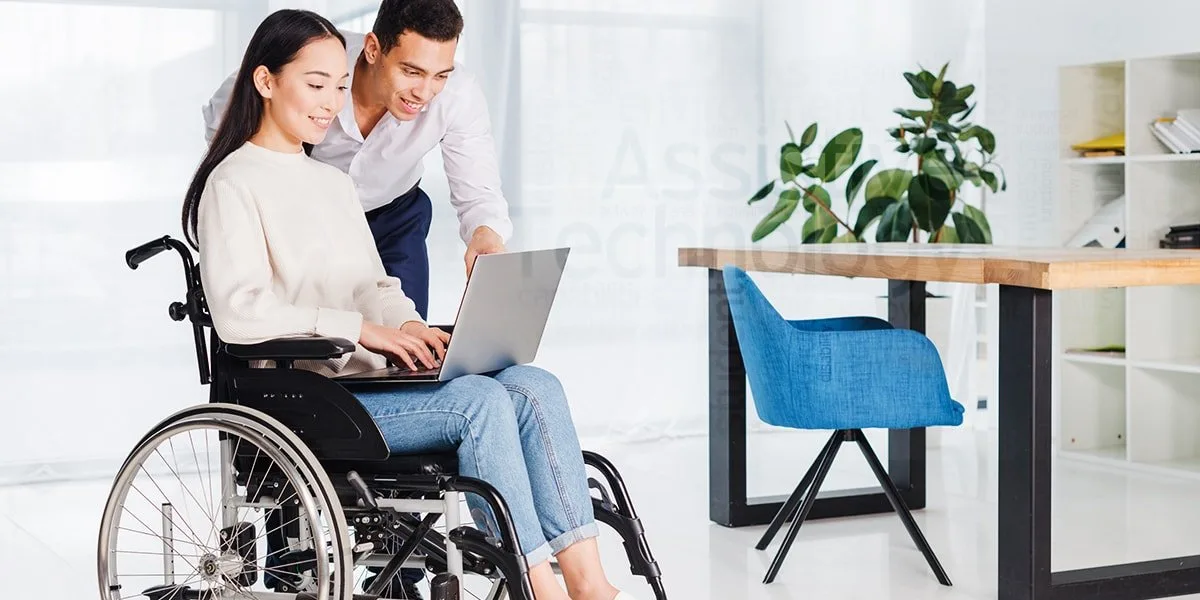
There are many types of assistive technology, and together they make it possible for people with disabilities to take part fully at school, home, work, and in the community. It increases functional, developmental, and learning abilities. It can replace skills that a person may not be able to form in his/her lifetime. For instance, a person may have challenges with using the voice, but AT can allow the person to communicate what he/she wants, like thoughts and needs. Age or gender is no bar to benefit from AT.
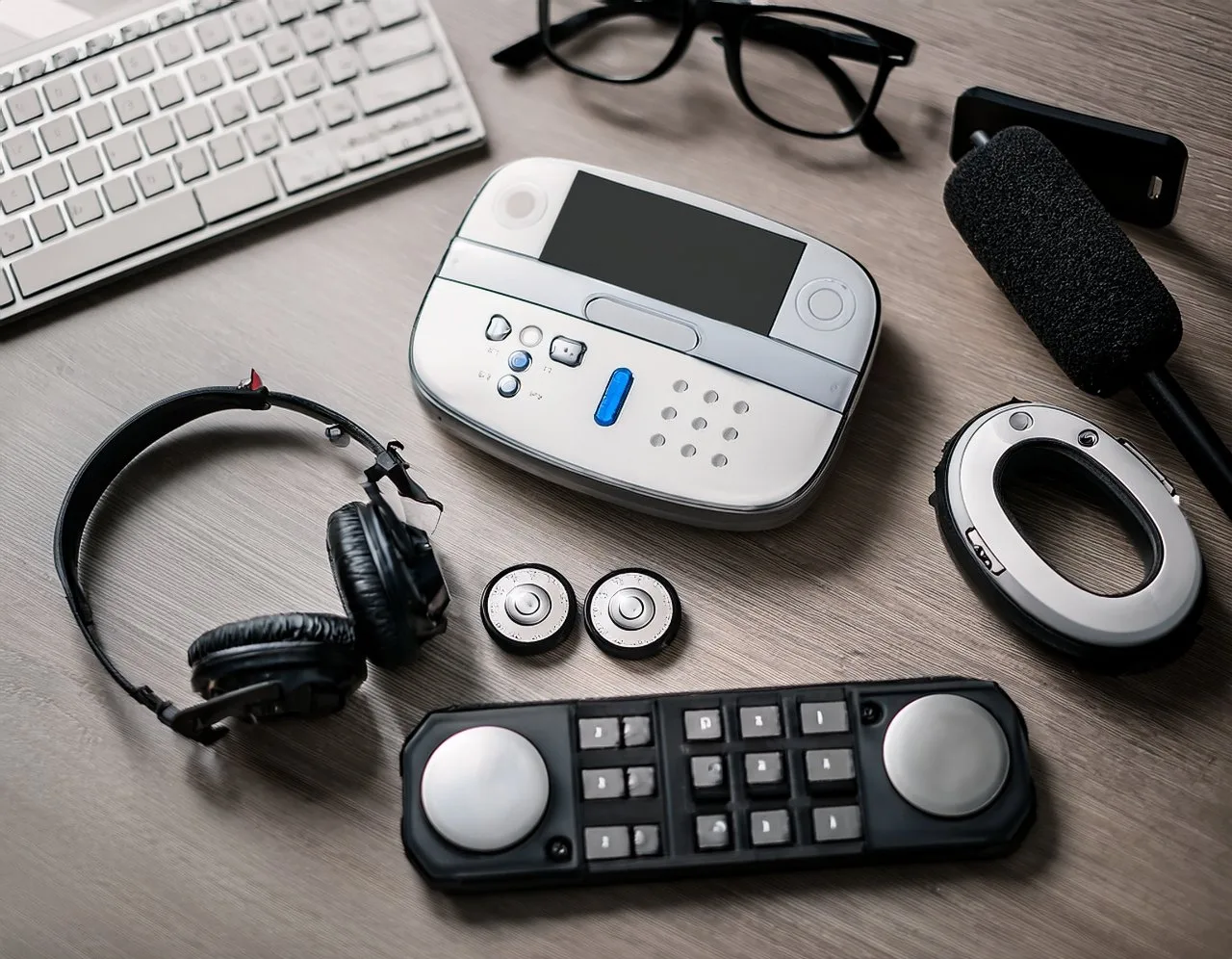
Standard computing technologies such as monitors, keyboards and computer mice can be challenging or impossible to operate for some individuals who are differently-abled physically. This can become a barrier to navigating the digital world. Fortunately, there are alternative methods which provide support - the many types of assistive technology - known as assistive technologies. Today, slowly but steadily, these technologies are used for browsing the web. While the term “assistive technology” can be applied to any device to make tasks possible or easier (such as wheelchairs and hearing aids), this article covers only the types of assistive technology used with computers, phones and the web.
ATIA - Following the Rules
The Assistive Technology Industry Association (ATIA) is committed to granting access to its website to people with various physical disabilities. ATIA obeys the W3C’s Web Content Accessibility Guidelines (WCAG) 2.0 AA to provide accessible content. The following general measures are taken to ensure that the sites are accessible include but are not limited to:
- Images have relevant alt text.
- Links make sense when placed in the connection of the page
- Tabular data is marked up accurately
- Structural markup indicates headings, landmarks, and lists, aiding in page perception, navigation and comprehension.
- Form fields are exclusively affiliated with their prompts
- Style sheets are used for delivering
- Pages can be expanded using the zoom functions of the browser.
- All copy passes fundamental colour contrast ratios
Types of assistive technology vs accessible technology: the basic difference
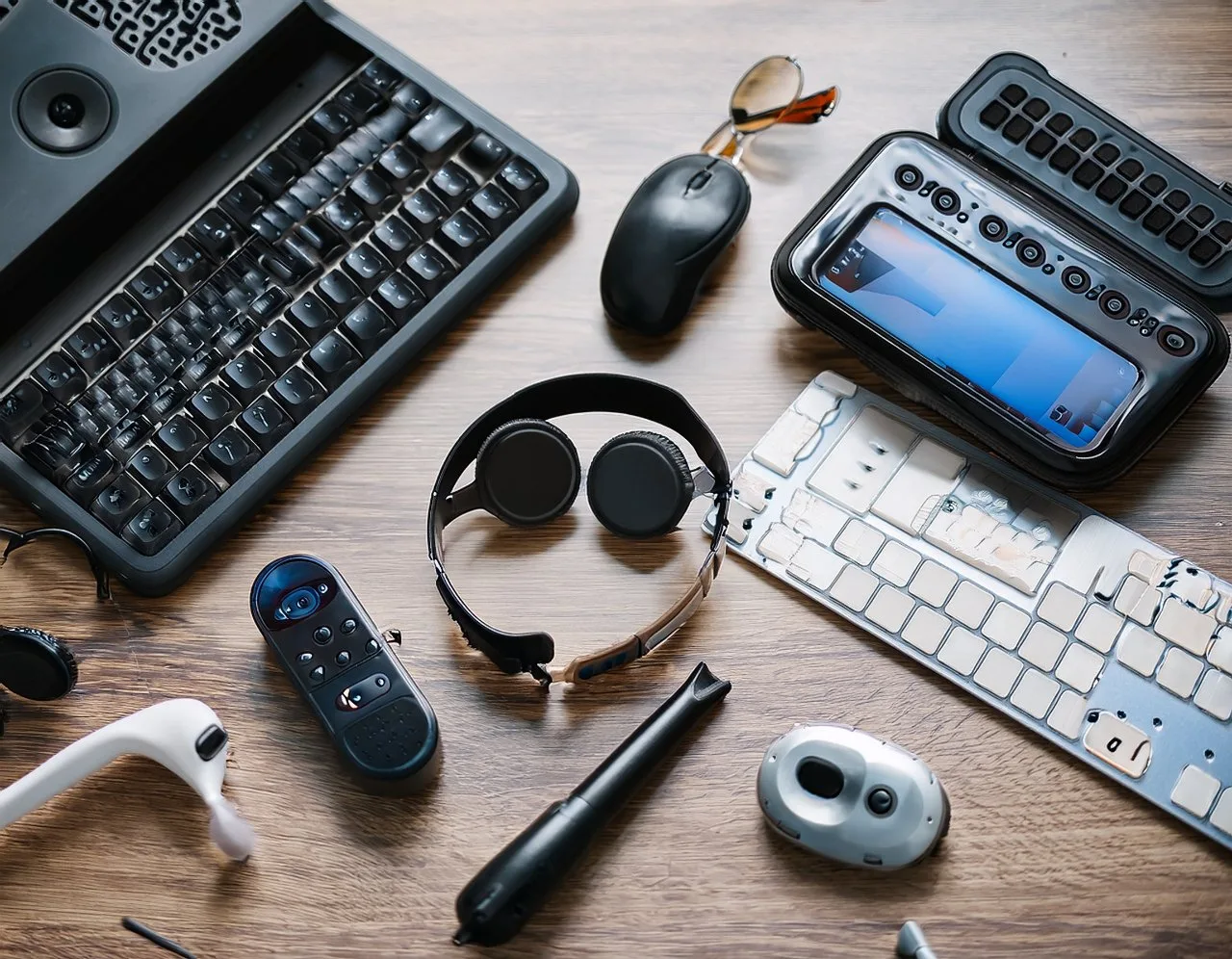
Before we delve any further, let's answer to the most common query our visitors have in mind - what is the difference between assistive technology and accessible technology?
Employers, developers, and people with disabilities should understand the differences between the two and also how they complement each other. Assistive technology is what has been specially devised to help a person with a limitation perform a task, and the types of assistive technology range from a simple screen magnifier to eye-tracking hardware. For instance, a screen reader on a computer can serve a person with any visual inability to read a job posting.
Accessible technology is what's been designed, keeping in mind the need for a lot of different users. It's a technical implementation with built-in customization features that users can use to customize their experience to meet their needs. Assistive technology alone will never guarantee access for people with disabilities. This is because websites and software also need to be redesigned with keeping in mind for people with accessibility can be able to use them. This is precisely why you need Ananyoo to help you build an accessible website.
Why Your Accessibility Solution Should Include Assistive Technology
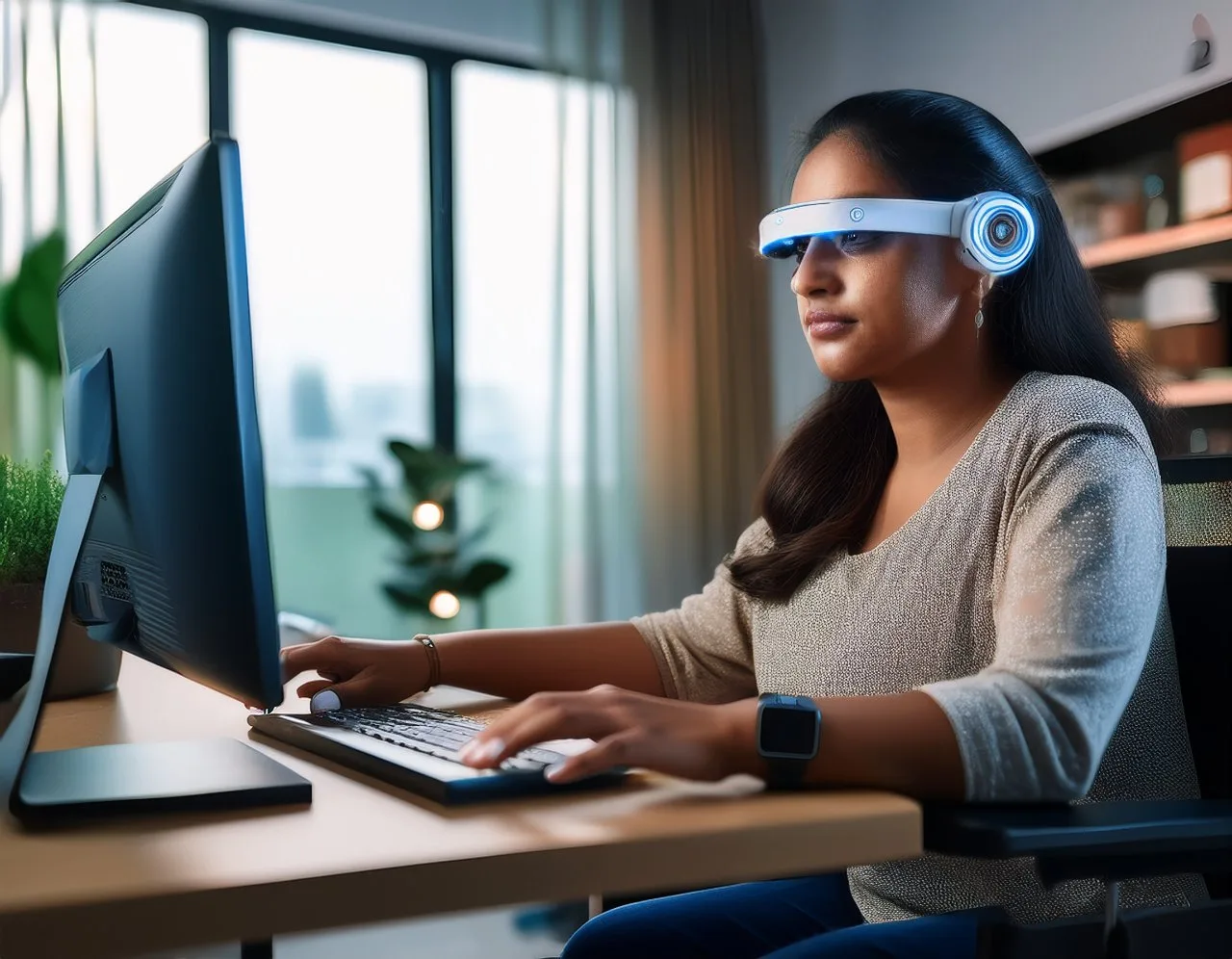
When customers with disabilities use services, purchase products, or otherwise go about their everyday lives, they have every right to a barrier-free experience. Legislation such as the Americans with Disabilities Act (ADA) protect this right. Consequently, companies and organizations which provide these services products are bound to ensure they’re accessible - or risk infringing the law. However, what’s not always outlined in those laws, are the methods by which a barrier-free experience is delivered. It may be up to the company itself to figure out what best meets its accessibility obligations. It should have a proper evaluation of all its digital properties. This will include the websites as well as the apps to ensure they’re usable by people with disabilities.
It may also cover building a way to tell individuals with disabilities about the range of accessible services available and how to use them - for instance, publishing an accessibility statement or engaging consumers on a dedicated web page that highlights disability-specific services. We think your organization should also be providing software to make it easier for people with disabilities to access your website.
The right types of assistive technology can help people who have difficulty typing on a keyboard, moving a mouse, reading the words on a screen, or working on a touch screen. It can enable them to drive a website and conduct transactions effortlessly.
Don't people already have their assistive technology?
In a word, the answer is no. Researches demonstrate that a notable number of people with physical limitations don't have the assistive technologies they need. Often it's because they feel they can't afford it. This is especially when increased costs start to add up, for instance, $600 for ZoomText software or $900 for the JAWS screen reader.
Even if it's not all about the expenses, many people are not aware of what's available. According to the World Health Organization, one of the top reasons why not all individuals with disabilities have assistive technology is a lack of awareness. People may not recognize what AT can do for them or what technical innovations have come out since the last time they looked into it.
By now, you must have a fair idea that assistive technology is a generic term. Here are the main types of assistive technology used to reach the web:
- Screen magnification software: This software allows users to check the size of text as well as the graphics on the screen. Unlike the zoom feature, these applications allow users to see an enlarged version to the rest of the screen. This is done by copying a handheld magnifier over the screen.
- Screen readers: It is the most common software used by blind or visually impaired people to read the content of the computer screen. Famous examples include NVDA, JAWS for Windows and Voiceover for Mac.
- Text readers: Another popularly used software used by those suffering from learning disabilities, which affects their ability to read the text. This software will read the content with a synthesized voice and may have a highlighter to indicate the word being spoken. These applications do not understand something, such as types of elements or menus but can only read the text.
- Speech input software: It provides people with trouble typing a substitute way to type text and control the computer. Users can use limited commands to perform mouse actions. Users can also tell the system to click a button or a link or use a menu item. Notably, both Windows (Voice Access) and Mac (Voice Control) now include speech recognition that can browse the web, and Dragon remains the professional choice.
- Alternative input devices: Some users cannot use a mouse or keyboard. These types of assistive technology include:
- Head pointers: A stick or object which is mounted directly on the user’s head can be used to push keys on the keyboard. This device is used by those who cannot use their hands.
- Motion tracking or eye tracking: As the name suggests, it can watch a target or even the eyes of the user to decipher where the person wants to set the mouse pointer and moves it accordingly
An Innovative Solution
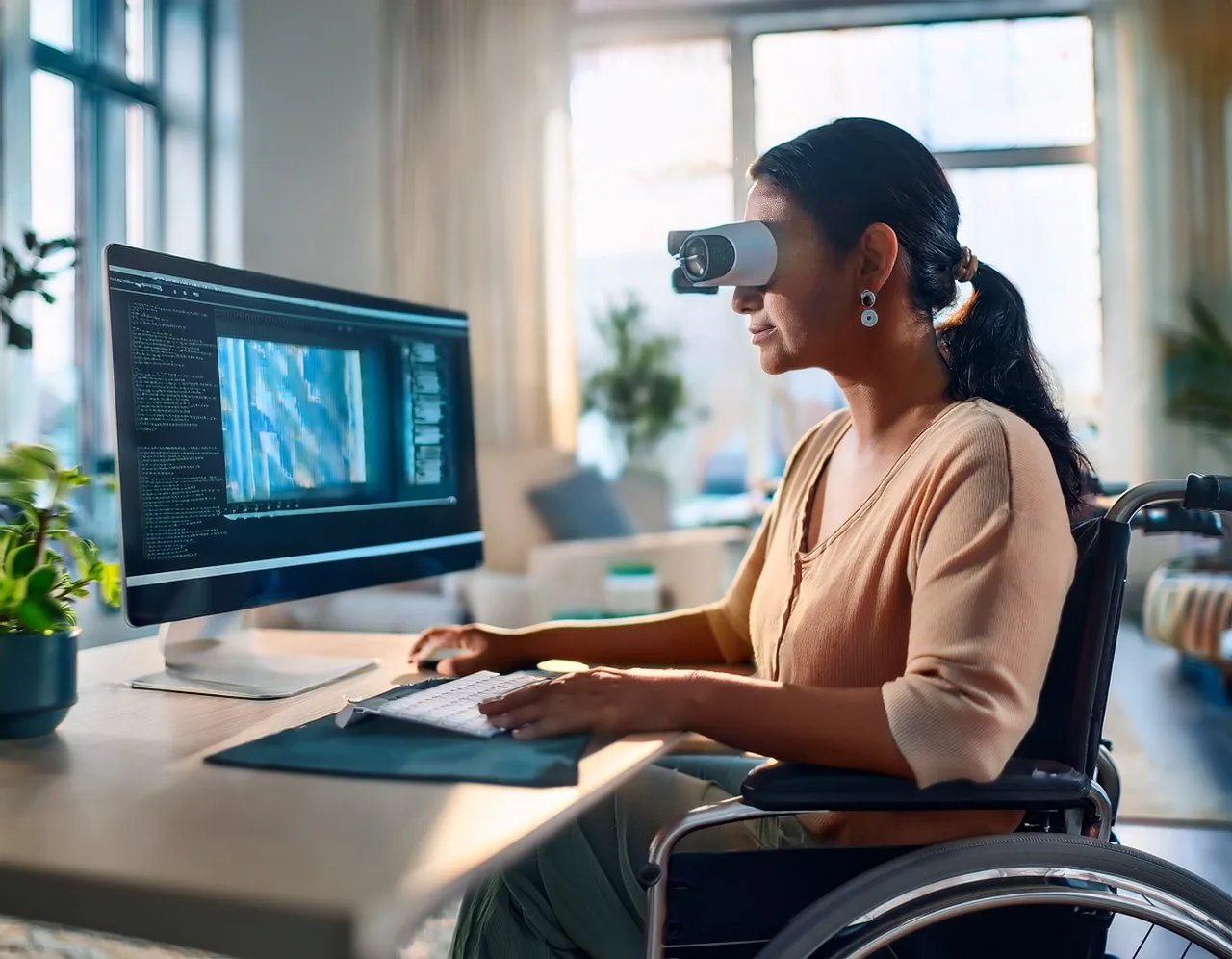
Ananyoo has developed a complete comprehensive accessibility solution to help companies and businesses follow the Web Content Accessibility Guidelines (WCAG). It will help them achieve and maintain compliance with standards and regulations accepted globally. This includes web compliance evaluation services and testing with every major type of assistive technology, so that all types of assistive technology deliver a transformative experience for anyone who is challenged with disabilities. Learn more about Ananyoo today!
Types of assistive technology: frequently asked questions
What are the main types of assistive technology for the web?
Screen readers (JAWS, NVDA, VoiceOver, TalkBack), screen magnifiers (ZoomText, built-in zoom), speech recognition (Dragon, Voice Control, Voice Access), alternative keyboards and switches, head pointers and eye trackers, and refreshable braille displays. Most people use two or more of these types of assistive technology together.
Which types of assistive technology are built into phones and computers?
All modern systems ship with a screen reader, magnifier, voice control, high-contrast modes and switch access: VoiceOver and Zoom on Apple devices, TalkBack on Android, Narrator and Magnifier on Windows. These free tools have become the most widely used types of assistive technology.
How much do commercial types of assistive technology cost?
JAWS costs several hundred dollars a year on subscription, ZoomText a similar amount, and a refreshable braille display can run from about $500 to several thousand. NVDA is free, which is one reason it is now about as widely used as JAWS.
Do websites need to be built differently for each type?
No. All types of assistive technology rely on the same thing: standards-based HTML with real headings, labels, alt text and keyboard support. Build to WCAG 2.2 AA and test with a screen reader and the keyboard; the other tools then work too. Our web accessibility case study shows this testing on a live site.
Which types of assistive technology should I test with?
At minimum NVDA or JAWS on Windows with Chrome or Firefox, VoiceOver on iPhone, TalkBack on Android, keyboard-only navigation, and browser zoom at 200 per cent. That set covers the vast majority of users across all types of assistive technology.
